
"Harar style"
300 article(s) found

The birthplace of Arabica Coffee-the main coffee producing area of Ethiopia-Sidama in Sidamo
For professional baristas, please follow the coffee workshop (Wechat official account cafe_style) Ethiopia is the birthplace of Arabica coffee and has the most diverse variety on earth. The main producing areas are Sidama, Yirgacheffe, Kochere, Harar, and Djimmah (there are many English place names in Ethiopia.

Ethiopian Coffee Bean Flavor_Hara, Gemma, Kimbile Kempti, Lim
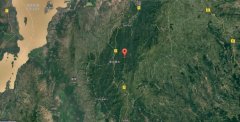
Harar is located in the Eastern Highlands of Ethiopia (Haredge Province) and grows at an altitude of 5,000 - 7,000 feet. It was still wild on the hillside a century ago. Most of the raw beans are medium in size and pointed at both ends. The color is green with yellow or gold. When roasted, there will be

Ethiopian coffee beans are imported. How can I buy mcofa coffee?
For more information on coffee beans, please pay attention to Coffee Workshop (Wechat official account cafe_style) Ethiopia is still a very important coffee exporter in the world, mainly producing Sidamo in Sidamo, Yirgacheffe in Yegashev, Kochere in Cochel, Harar in Hara and Djimma in Jima. Located in the south of Ethiopia, Sidamo, Yegashev,

What brand of coffee beans is good?-Sidamohan Bella Sunshine Huakui round sour juice
Professional coffee knowledge exchange more coffee bean information please follow the coffee workshop (Wechat official account cafe_style) front street-Sidamo Sakuran Coffee introduction Ethiopian coffee is mainly produced in eight major areas: Lekempti, Limu, Illubabor, Djimmah, Harar, Teppi/Bebeka, Sidamo, Yirgacheffe. Ethiopian coffee is highly rated in China, especially

The name of "Yejia Xuefei": Yirgacheffe and Sidamo
As the birthplace of coffee, Ethiopian coffee is famous for its unique flavor and rich coffee gene pool. Among them, Yirgacheffe, Sidamo and Harar are the most famous. Yirgacheffe is famous for washing Yejia Sheffield, which is the most classic and wonderful coffee producing area. Unique citrus style, just

Description of flavor and taste of Ethiopian Harald coffee beans? How to rush Ethiopian mocha by hand
Professional coffee knowledge exchange more coffee bean information please follow the coffee workshop (Wechat official account cafe_style) Ethiopia Harald coffee bean flavor and taste description? How to make Ethiopian mocha Haral coffee by hand? After panning, the Harrar raw beans have a faint floral flavor. The producing area of Hrrar is located in Har in eastern Ethiopia.

Introduction of Mocha producing areas in Yemen? What are the reasons for the low coffee production in Yemen?
Professional coffee knowledge exchange more coffee bean information please pay attention to the origin of coffee workshop (Wechat official account cafe_style) Yemeni mocha coffee Yemeni coffee culture is different from other places, the unique flavor characteristics can be partly attributed to the country's ancient trade style. Yemeni Coffee was the first coffee to be commercialized (for trading) through the port city of Al Mahka

A brief introduction to the Market Price of Ethiopian Fine Sidamo Coffee varieties
The highest grades of Ethiopian washed coffee Yega Chuefei G1 G2 Sidamo (Yirgacheffe, Sidamo) are Grade 2 and Grade 3 (G2, G3), while most of the sun-processed coffee in eastern Ethiopia are Grade 4 or Grade 5 (G4, G5). In many cases, level 4 coffee is marked as level 5 in order to reduce taxes. At present, the grading is not uniform and messy, because there is also sun processing.

Introduction to the Origin and Flavor treatment of Ethiopian Coffee quality characteristics of Grinding scale
Ethiopian Coffee Origin Flavor treatment quality characteristics Grinding scale Origin introduction the traditional treatment method is solarization. In 1972, the first batch of washing processing plants were built in the Yirgacheffe production area. Decades ago, most coffee is now wet-processed in the western and southern regions. In general, wet-processed coffee is thought to be purer, softer and round.

How many Yega Xuefei are there in the producing area? what are the characteristics of the hand flushing?
Professional coffee knowledge exchange more coffee bean information please follow the coffee workshop (Wechat official account cafe_style) Qianjie introduction-Yega Sheffield we are familiar with the Yega Sheffei Yirgacheffe, Ethiopia's big coffee producing areas also include Sidamo Sidamo and Harald Harar, as well as some small producing areas such as Lim Limmu. These are all Ethiopian products.
What's the difference between ORC cherry and aricha? What is the native species?
Professional coffee knowledge exchange more coffee bean information please follow the coffee workshop (Wechat official account cafe_style) Ethiopian coffee mainly has eight major producing areas, namely: Lekempti, Limu, Illubabor, Djimmah, Harar, Teppi/Bebeka, Sidamo, Yirgacheffe. Yejasuefei is a small town in Ethiopia, 1700-2100 meters above sea level
Description and treatment of Coffee Flavor in Xidamo Shaqiso producing area introduction to the taste of varieties
The main producing areas of Ethiopian coffee are Harald (Harar) in the east, Djimmah (southwest) and Sidamo (south). The unique fragrance of Yirgacheffe comes from Yirga, a small town in the northwest of Sidamo province. Yirgacheffe Coffee Raw beans are the most popular coffee in the world.
Tips for ESPRESSO baking
Talking about mixed beans when we talk about baking espresso beans, we are actually talking about the science of mixed beans. The highest sweet spots of all kinds of coffee beans from different countries appear at different baking points, so bakers must find a balance between baking and mixing beans in order to make a good cup of espresso. This knowledge should start with the degree of baking and the selection of beans

Is Harald mocha coffee good in Ethiopia? information on Harald coffee producing area
Professional coffee knowledge exchange more coffee bean information please follow the coffee workshop (Wechat official account cafe_style) Ethiopia is the origin of coffee. Once upon a time, there was a town in southern Ethiopia called Kafa, where there were some red fruits. The shepherd found that the sheep was so excited after eating the fruit that they picked it and tasted it, so the fruit was pawned.

An introduction to the characteristics of the flavor description of the citrus-flavored Sidamasha Chiso producing area in Ethiopia
Ethiopia grows coffee in different climatic zones, so it has more than 140 farm varieties, and fresh coffee is produced all the year round. The quality of Ethiopian coffee varies according to different elevations and regional ecological environment. The Harar coffee in the southeast highland is a typical Muha coffee with a strong flavor; the coffee produced in the southwest Wollega has a rich fruity flavor; Limu coffee
A delicious Espresso baking skill is very important.
So how do we decide which baking degree to use for espresso? Espresso beans can be baked in the end how shallow, how deep and still have a good espresso performance? And how do you use these different baking styles to add features to your ripe bean retail business? Please take a look.

Italian concentration, there are differences between different regions of Italy, you know?
Professional coffee knowledge exchange more coffee bean information Please follow the roasting in the coffee workshop (Wechat official account cafe_style) to understand the meaning of roasting degree and their flavor performance after extraction, which is the key to ensuring the highest performance quality in the cup. Generally speaking, the deeper the baking, the less the acidity and the more bitterness, but the deeper the baking.
About ESPRESSO baking tips
Translated from Fresh Cup Magazine's Coffee Almanac,2003 June issue, pp. 36-40, Roasting for Espresso: Implications for Coffee Retailingby David Schomer. Introduction A few years ago, I took a very important coffee course to compare the differences between espresso and other immersion brewing methods (such as French pressure and trickling).
Tips for ESPRESSO baking
Talking about mixed beans when we talk about baking espresso beans, we are actually talking about the science of mixed beans. The highest sweet spots of all kinds of coffee beans from different countries appear at different baking points, so bakers must find a balance between baking and mixing beans in order to make a good cup of espresso. This knowledge should start with the degree of baking and the selection of beans
Tips for ESPRESSO Baking (selected translations)
Translated from Fresh Cup Magazine's Coffee Almanac,2003 June issue, pp. 36-40, Roasting for Espresso: Implications for Coffee Retailingby David Schomer. Introduction A few years ago, I took a very important coffee course to compare the differences between espresso and other immersion brewing methods (such as French pressure and trickling).